There’s something special about spotting those first ruby-red stalks at the farmer’s market. It’s a signal that spring has arrived, and with it comes the tart, juicy charm of rhubarb. For many bakers, it sparks excitement, and questions.
Rhubarb has a flavor like no other. Raw, it’s mouth-puckering and intense. But bake it with a bit of sugar, and it softens into something bright, complex, and addictive. It’s one of those ingredients that transforms completely in the oven.
This guide is here to help you bake with rhubarb confidently. Whether you’re picking out fresh stalks, freezing extras for later, or troubleshooting a runny pie, you’ll find clear, honest tips. You’ll also discover tried-and-true recipe ideas that might just become your seasonal favorites.

Table of Contents
What Exactly Is Rhubarb? (The Juicy Details)
The Age-Old Question: Is Rhubarb a Fruit or a Vegetable?
Botanically speaking, rhubarb is a vegetable. It grows from the ground with thick stalks and leafy tops, more like celery than strawberries. But in the kitchen, it’s treated like a fruit. Why? Because of how it’s used. You’ll find rhubarb baked into pies, muffins, and crumbles, not tossed in a salad.
Its tart flavor plays well with sugar, making it perfect for desserts. So while it wears a vegetable badge scientifically, it’s earned honorary fruit status in baking.
A Word of Warning: Are Rhubarb Leaves Poisonous?
Yes, never eat rhubarb leaves. They contain oxalic acid, which is toxic to humans and animals, even in small amounts. Always cut off and discard the leaves before cooking.
The good news? The stalks are completely safe and absolutely delicious. Just trim, chop, and get baking.
Rhubarb Season: When and How to Buy the Best Stalks
Finding Your Window: The Peak Season for Rhubarb in the US
Rhubarb season typically runs from April through June, though it can stretch into early summer in cooler regions. That’s when field-grown rhubarb is at its best, deep red, crisp, and full of flavor.
You might also spot hothouse rhubarb earlier in the year. It’s grown indoors, usually paler and milder in taste. Some bakers prefer hothouse rhubarb because it holds its color better when cooked, especially in delicate bakes like these Rhubarb Shortbread Cookies, where the vibrant pink adds visual appeal to every bite.
How to Pick the Perfect Rhubarb
Want the best results in your baking? It starts at the market. Look for:
- Firm, crisp stalks – Avoid anything limp or soft.
- Glossy skin – A bit of shine means it’s fresh.
- Color doesn’t equal sweetness – Red stalks look striking, but greenish ones can taste just as good. Color depends on the variety, not sugar content.
- Thinner stalks are usually more tender – Great for cakes or quick jams like this Strawberry Rhubarb Freezer Jam.
If you want to get extra precise, the USDA actually defines official grades for rhubarb quality, like U.S. Fancy and U.S. No. 1. These standards outline traits like color uniformity, size, and the absence of defects. But for home bakers, it’s usually enough to stick with firm, vibrant stalks with a bit of gloss, they’ll give you the best texture and flavor.

The Baker’s Prep School: How to Prepare Rhubarb
How to Store Fresh Rhubarb to Maximize Freshness
Fresh rhubarb keeps well for a few days if you store it right. Wrap the stalks loosely in a paper towel, then tuck them into a plastic bag in the fridge. Stored this way, they stay crisp for about 5 to 7 days.
How to Freeze Rhubarb for Year-Round Baking
Got more rhubarb than you can use? Freeze it. Here’s how:
- Wash and dry the stalks.
- Chop them into the size you’ll need later.
- Place the pieces evenly in a single layer on a baking sheet to ensure they freeze individually and don’t clump together.
- Freeze until solid, then transfer to a freezer-safe bag or container.
For most recipes, you can use frozen rhubarb as-is. For pies and crisps, it’s often best to thaw and drain first to reduce excess water.

To Peel or Not to Peel? The Great Rhubarb Debate
In most cases, no peeling is needed. Rhubarb skin softens as it bakes, adding a naturally vibrant color and enhancing the dessert’s visual appeal. But if you’re working with older, thick stalks that feel tough or stringy, it’s fine to peel away the outer layer or pull off visible strings, especially helpful in finer-crumb bakes like Rhubarb Coffee Cake, where texture really matters.

How to Cut Rhubarb for Different Recipes
Different bakes need different cuts:
- 1-inch chunks: Perfect for pies, crisps, and crumbles.
- ½-inch dice: Ideal for cookies or muffins where you want small bursts of rhubarb.
- Long, thin strips: Great for tarts or decorative designs.
Mastering Rhubarb’s Unique Chemistry in Baking
Taming the Tartness: How to Sweeten Rhubarb Perfectly
Rhubarb’s sharp, tangy flavor is what makes it so special. But getting the sweetness right is key. Too little sugar and it’s harsh. Too much and you lose the fresh bite.
One of the best tricks? Macerate the rhubarb. This means tossing the rhubarb with sugar and letting it sit for 15–30 minutes. This draws out some of the juices, softens the pieces, and gives you a jump-start on balancing the flavor.
There’s no one-size-fits-all rule for sugar, but a common ratio is 1 part sugar to 2 or 3 parts rhubarb by weight. Adjust based on your taste and what else is in the recipe.
Solving the Soggy Bottom: Managing Rhubarb’s Water Content
Rhubarb is juicy, really juicy. That’s great for flavor, but not so great if it soaks your crust or leaves your bars soggy.
Here’s how to deal with it:
- Macerate and drain: Let the stalks sit with sugar, then pour off the excess liquid.
- Use thickeners: A bit of cornstarch, flour, or tapioca starch helps soak up juices during baking.
- Pre-cook the filling: For pies, simmering the rhubarb first helps concentrate the flavor and reduce moisture.
- Bake on a preheated cookie sheet: If you’re worried about soggy pie crusts, placing the pie dish on a preheated sheet can help crisp the bottom.
- Pro tip: These techniques really matter in recipes like our Rhubarb Dream Bars, where texture makes all the difference.
Perfect Pairings: Flavors that Make Rhubarb Shine
Rhubarb is bold, but it plays well with others. Here are some of the best ingredients to pair with it:
- Strawberry: The classic pairing. Their sweetness softens rhubarb’s tang beautifully, especially in recipes like our Strawberry Rhubarb Cake where both fruits shine equally.

- Citrus: Orange, lemon, or grapefruit add brightness and depth.
- Ginger: Spicy and warm, ginger enhances rhubarb’s sharp edge beautifully.
- Cinnamon, Cardamom, Nutmeg: These spices add subtle warmth, perfect for crisps and cakes.
- Raspberry, Cherry, Apple:These fruits bring balance and added complexity.
- Cream Cheese, Buttermilk, Sour Cream, Almond: Rich dairy notes and nutty flavors round out rhubarb’s acidity, especially in cakes and bars.
For a balanced bite, try pairing rhubarb with strawberries in a classic dessert or add ginger to bring out a spiced twist in your next bake.
Your Guide to Rhubarb Baking Recipes
Now that you know how to prep, pair, and perfect rhubarb, it’s time to bake. Here are some of our favorite rhubarb recipes, each one tested, tasty, and ready to become your new go-to.
Rhubarb Cakes & Coffee Cakes
Rhubarb adds moisture and a tart edge to cakes, balancing sweet crumbs with tangy bites.
- Old-Fashioned Norwegian Rhubarb Cake, A soft and simple dessert bursting with fresh, tangy-sweet rhubarb flavor. A classic that never fails.

Rhubarb Crisps, Crumbles, and Cobblers
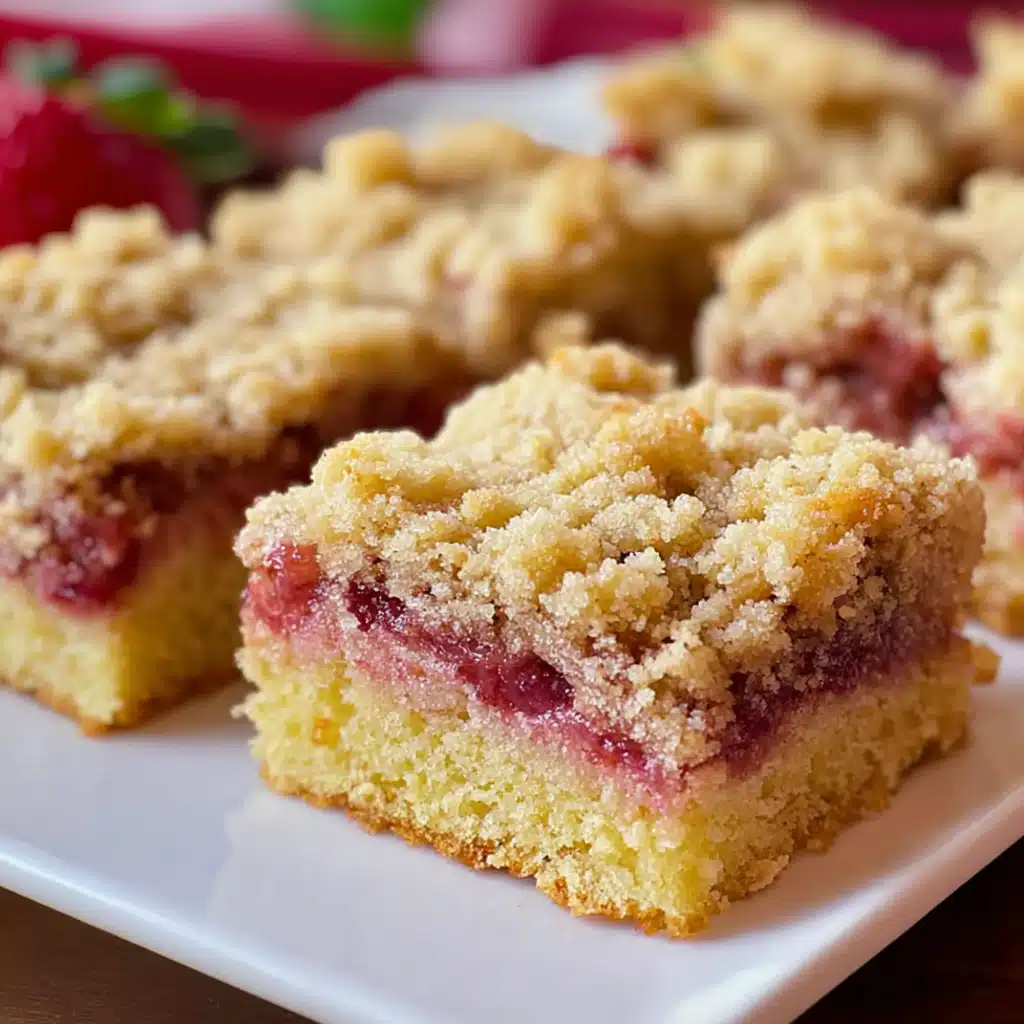
There’s something truly comforting about a warm rhubarb crisp topped with a golden, buttery crumble, the perfect blend of tart and sweet in every bite. These rustic desserts come together quickly and showcase rhubarb beautifully. For a bakery-style twist with a crumb topping, try our Strawberry Rhubarb Coffee Cake, it layers soft cake with fruit and streusel in every bite.
Rhubarb Bars & Cookies
Portable, sweet-tart, and easy to love.
- Rhubarb Dream Bars: Featuring a buttery shortbread crust, creamy custard filling, and the perfect touch of tangy rhubarb in every bite

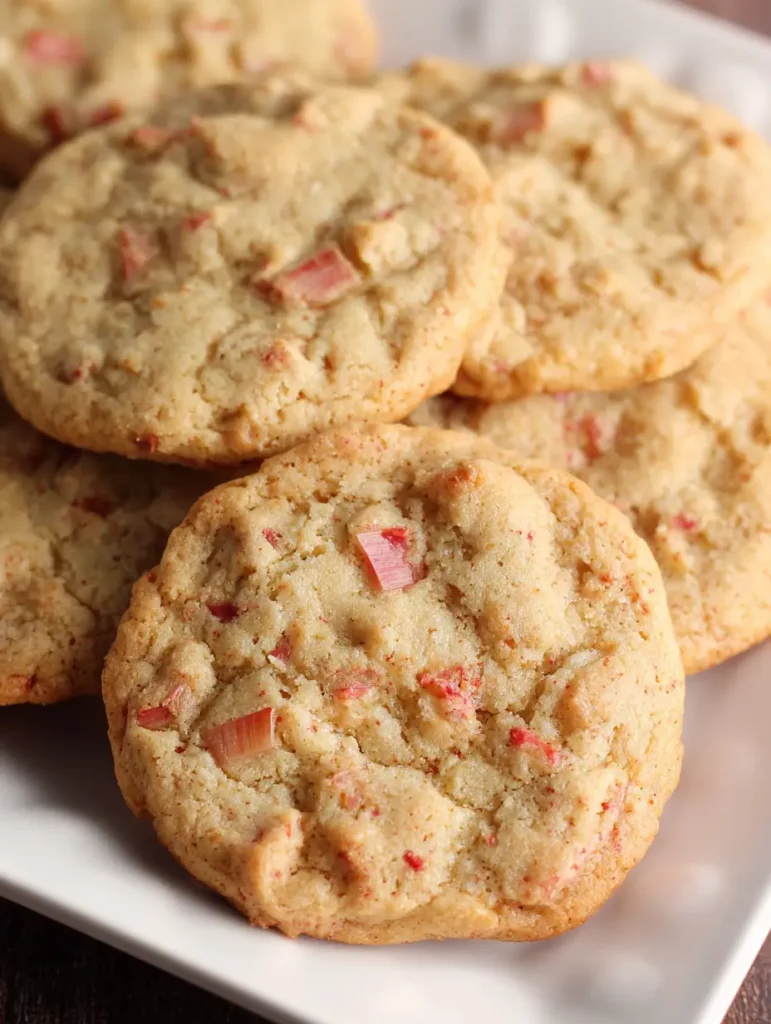
- Rhubarb Cookies: Soft, chewy, and studded with juicy rhubarb chunks. A spring favorite.
Rhubarb Pies & Tarts
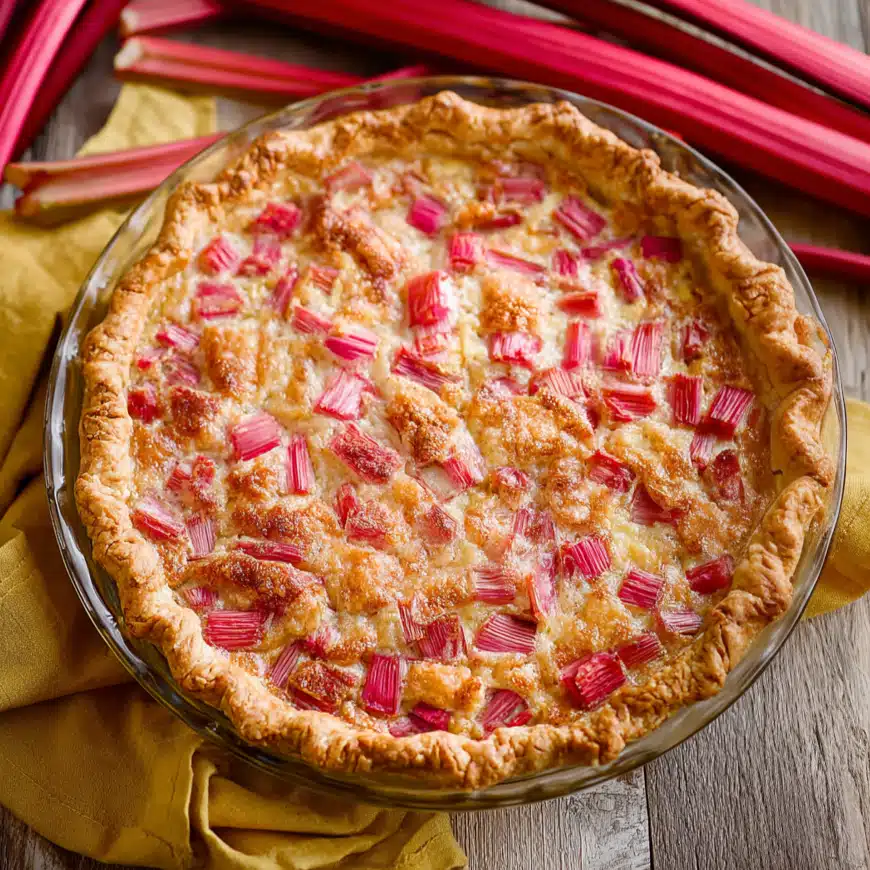
From classic rhubarb custard pie to rustic galettes, rhubarb shines when baked into flaky crusts.
Troubleshooting Common Rhubarb Baking Problems
Even experienced bakers hit snags with rhubarb. Here’s how to fix the most common issues:
“My rhubarb turned a mushy, dull color.”
This often happens when it’s overcooked. Try shortening the baking time slightly or using hothouse rhubarb, which tends to hold its color better. Also, avoid covering the dish tightly while baking, steam can cause fading.
“My pie is runny and watery.”
That’s rhubarb’s high water content at work. Revisit the prep steps: macerate and drain the rhubarb, and always use a thickener like cornstarch or tapioca. Pre-cooking the filling can also make a big difference.
“My rhubarb is still stringy after baking.”
That likely means the stalks were large or late in the season. Next time, trim the rhubarb into smaller crosswise pieces. For very thick stalks, peel off any tough outer strings before baking.
Embrace the Tart and Tangy!
Rhubarb might seem tricky at first, but once you know how to choose, prep, and bake it right, it’s one of the most rewarding ingredients of the season. It brings brightness, bold flavor, and just the right amount of zing to everything from cookies to crisps.
Now that you’ve got the basics down, it’s time to get baking. What’s the first rhubarb recipe you’re going to try?
Let me know in the comments below, and don’t forget to save this guide for rhubarb season every year.
Frequently Asked Questions (FAQ)
Can I use frozen rhubarb for baking?
Yes. You can use it straight from the freezer for most recipes. For pies and crisps, it’s usually best to thaw and drain the rhubarb first to avoid excess moisture.
Is green rhubarb ripe? Can I still use it?
Absolutely. Green rhubarb is just a different variety. It’s just as ripe and flavorful as red stalks, it might even be more tender.
How much sugar do I need for rhubarb?
A typical ratio is 1 part sugar to 2 or 3 parts rhubarb by weight. The exact amount depends on your taste and what you’re baking. Some desserts need more sweetening than others.
Can I eat rhubarb raw?
You can, but it’s extremely tart. Some people dip raw stalks in sugar for a quick snack, but rhubarb is usually best when cooked.
What’s the difference between a crisp and a crumble?
Both have a fruit base and a crumb topping. The key difference: crisps usually include oats in the topping, while crumbles do not.
Why can’t you eat rhubarb leaves?
Rhubarb leaves are not safe to eat due to their high levels of oxalic acid and anthraquinone glycosides, natural compounds that can be toxic if consumed in significant amounts. As explained by Healthline, these substances may cause nausea, kidney problems, or worse. Always trim off and discard the leaves before preparing rhubarb. The stalks are the only edible part, and they’re perfectly safe when cooked.